
SocialSecurityDisability.com is a privately-owned website that is not owned by or affiliated with any state government agency
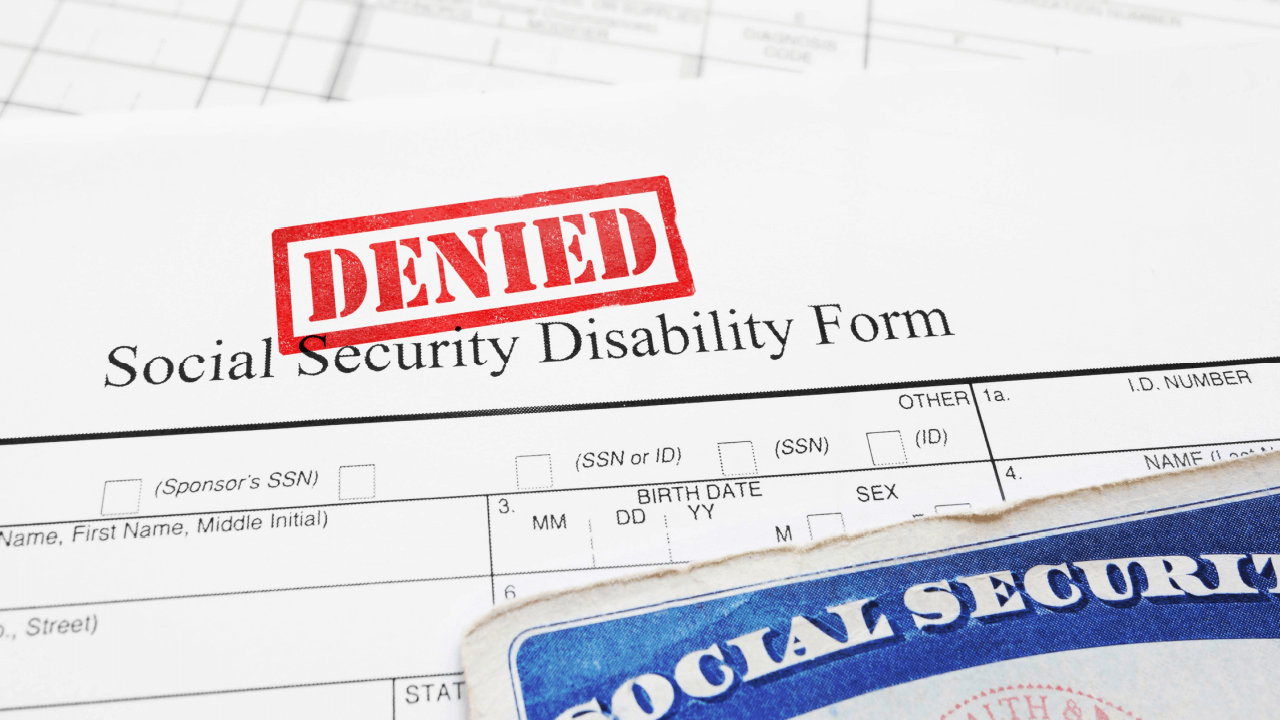
Why most SSDI claims are denied is a question many disability applicants face after receiving rejection notices. The Social Security Administration (SSA) denies approximately 65% of initial SSDI applications, often due to preventable issues in documentation, medical evidence, or application completeness. Understanding these denial patterns may help applicants recognize potential challenges before submitting their claims. Navigating the disability benefits system can feel overwhelming, especially when facing medical conditions that limit your ability to work. This article explains the most common reasons the SSA denies SSDI claims and what factors contribute to rejection decisions. Whether you’re preparing an initial application or considering an appeal, understanding these denial reasons may help you approach the process with greater awareness of what the SSA evaluates.
The SSA applies strict evaluation criteria that many first-time applicants may not fully understand. Technical denials account for approximately 30% of rejections, occurring when applicants haven’t worked enough quarters or earned sufficient work credits to qualify for SSDI coverage. These denials happen before the SSA even evaluates medical conditions.
Medical denials represent the majority of SSDI rejections. The SSA may determine that an applicant’s condition doesn’t meet the severity requirements outlined in the Blue Book listings, which catalog impairments the agency recognizes as potentially disabling. Additionally, insufficient medical evidence frequently leads to denial—the SSA requires comprehensive documentation from treating physicians showing how conditions limit functional capacity.
Incomplete applications trigger automatic denials. Missing work history details, unsigned forms, or gaps in treatment records give the SSA insufficient information to evaluate claims properly. Even minor errors in dates or medical provider information can delay processing or result in rejection.
The SSA also denies claims when applicants fail to follow prescribed treatment without valid reasons. If medical records show that an individual declined recommended treatments or medications, the agency may conclude that conditions could improve with proper care.
Insufficient medical documentation represents the leading cause of SSDI denials. The SSA requires objective medical evidence—clinical findings, laboratory results, and physician assessments—not just symptom descriptions. Approximately 40% of denials stem from inadequate medical records or documentation that doesn’t clearly connect impairments to functional limitations.
The agency needs evidence showing how conditions prevent substantial gainful activity. A diagnosis alone doesn’t establish disability; the SSA must see documentation of how impairments limit your ability to perform work-related tasks like standing, walking, lifting, concentrating, or interacting with others.
The SSA evaluates residual functional capacity (RFC) to determine what work activities an individual can still perform despite limitations. When medical records don’t provide sufficient RFC information, disability examiners may conclude that applicants retain the capacity for some type of work. Treating physician statements about functional limitations carry significant weight in RFC determinations.
Missing specialist consultations also weaken claims. For complex conditions, the SSA expects evaluations from relevant specialists—cardiologists for heart conditions, psychiatrists for mental impairments, or orthopedists for musculoskeletal problems.
Earning above the substantial gainful activity (SGA) threshold automatically disqualifies applicants from SSDI benefits. In 2024, the SGA limit is $1,550 monthly for non-blind individuals. Even part-time work exceeding this amount results in denial, regardless of medical severity.
The SSA also monitors daily activities described in applications. Statements indicating that applicants can perform extensive household tasks, maintain hobbies requiring physical stamina, or engage in activities inconsistent with claimed limitations may lead to denial. Approximately 15% of denials involve discrepancies between reported limitations and observed activities.
Failure to attend consultative examinations scheduled by the SSA represents another non-medical denial reason. When the agency needs additional medical opinions and applicants miss these appointments without valid reasons, claims are typically denied for lack of cooperation.
Many applicants submit claims prematurely, before accumulating sufficient medical evidence to demonstrate 12 months of continuous disability. The SSA requires proof that conditions have lasted or are expected to last at least one year or result in death. Claims filed too early in a condition’s progression may lack the longitudinal evidence needed for approval.
Conversely, waiting too long to apply can also create challenges. Work credit requirements mandate recent work history—applicants must have worked in five of the past ten years before disability onset. Extended gaps in employment may result in technical ineligibility even when medical conditions are severe.
The SSA sends requests for additional information during claim evaluation. Failing to respond to these requests within the specified timeframes—typically 10 to 30 days—can result in denial due to insufficient evidence. Approximately 20% of denials occur because applicants didn’t provide requested documentation or attend scheduled appointments.
Understanding why most SSDI claims are denied provides insight into the evaluation process, but each case depends on individual circumstances. The high initial denial rate reflects the SSA’s stringent standards and the complexity of properly documenting functional limitations. Many denied claims contain correctable issues that may be addressed through appeals or reapplication with stronger evidence. The appeals process offers multiple levels of review, with success rates improving significantly at the hearing stage when applicants can present their cases before administrative law judges. Building a comprehensive claim with thorough medical documentation and accurate application information may strengthen your position regardless of where you are in the process.
If your SSDI claim has been denied or you’re preparing an application, you may wish to speak with a licensed SSDI attorney to discuss how disability rules may apply to your circumstances. Legal professionals can review your medical documentation, identify potential weaknesses in your claim, and explain whether additional options may be available. Whether you need exclusive Social Security guidance, want to schedule a free SSD consultation, or wish to contact our team directly, professional evaluation may help you understand the specific factors affecting your claim and the steps available to pursue disability benefits.
Most initial SSDI claims are denied due to insufficient medical evidence, incomplete applications, or technical ineligibility issues that applicants may address through appeals or strengthened reapplication.
Yes, applicants may reapply for SSDI after denial or pursue the appeals process, which includes reconsideration, administrative law judge hearings, and further review levels.
The SSDI appeals process timeline varies depending on the review level, with reconsideration taking 3-5 months and administrative law judge hearings potentially taking 12-18 months or longer.
The SSA requires comprehensive medical records including clinical findings, diagnostic test results, treatment history, and physician assessments documenting functional limitations caused by impairments.
Working part-time may affect SSDI eligibility if monthly earnings exceed the substantial gainful activity threshold, which the SSA reviews to determine if applicants can perform work activities.