
SocialSecurityDisability.com is a privately-owned website that is not owned by or affiliated with any state government agency
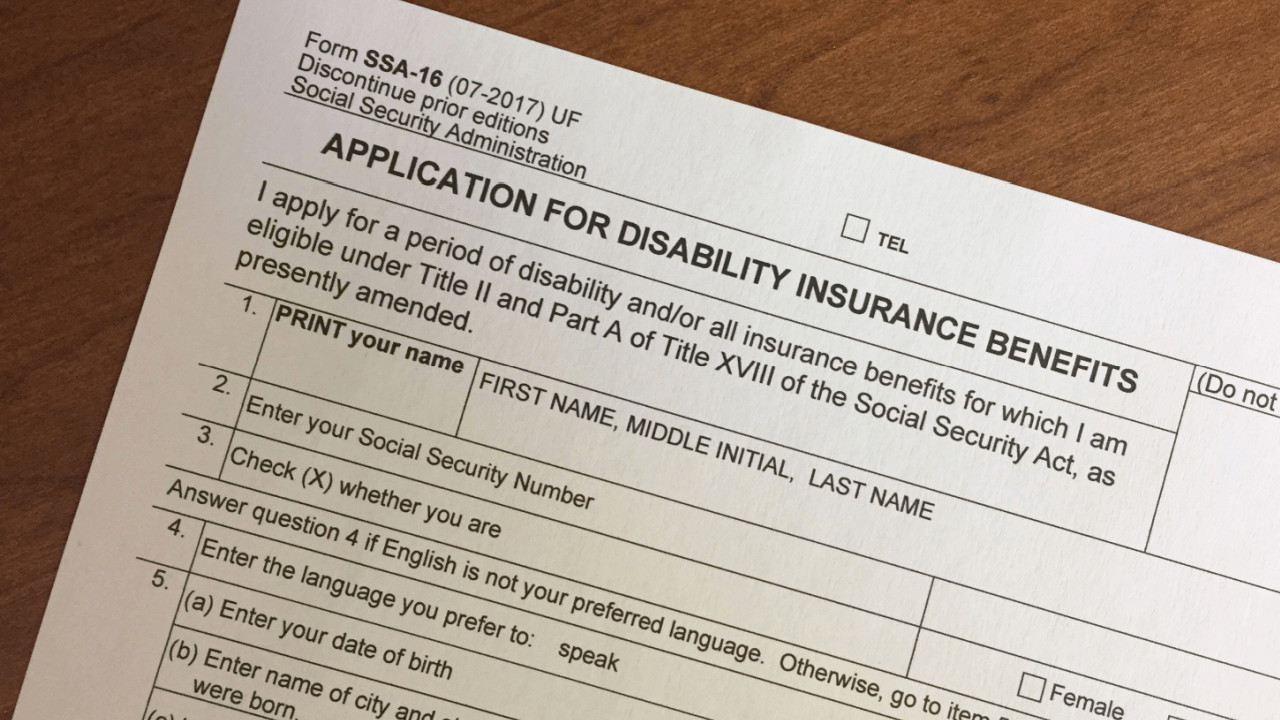
How long SSDI takes to process now varies significantly based on individual circumstances, application completeness, and current Social Security Administration workload. In 2026, initial disability application decisions typically take three to six months, though complex cases may require additional time for thorough medical review and documentation verification.
Many individuals filing Social Security Disability Insurance claims face uncertainty during the waiting period. The processing timeline depends on multiple factors including medical evidence quality, physician response times, and regional office capacity. Understanding these variables helps applicants prepare realistic expectations while navigating the disability determination process. This guide explains current SSDI processing timeframes, factors influencing review speeds, and steps applicants can take while awaiting decisions.
The Social Security Administration processes millions of disability applications annually, with average initial determination timeframes ranging from 90 to 180 days in 2026. According to SSA data, approximately 65% of initial applications receive decisions within five months of filing. However, individual processing times depend on case complexity, medical condition severity, and documentation completeness.
Several stages comprise the SSDI review process. The initial application undergoes administrative screening to verify work credits and technical eligibility requirements. Once cleared, disability examiners at state Disability Determination Services review medical records, employment history, and functional capacity. Cases requiring consultative examinations or additional physician statements extend beyond standard timeframes.
Regional processing centers experience varying workloads affecting how long SSDI takes to process now. Offices serving larger populations or facing staffing shortages may process applications more slowly than smaller facilities. Geographic location influences wait times, though applicants cannot select their processing center—the SSA assigns cases based on residence.
Medical documentation quality significantly impacts SSDI processing speed. Complete records from treating physicians, including detailed functional assessments and treatment notes, allow examiners to make faster determinations. Incomplete files require additional development, extending timelines by weeks or months as examiners request missing information.
The complexity of medical conditions affects review duration. Straightforward cases with clear-cut impairments and extensive documentation often process faster than applications involving multiple conditions requiring specialized medical expertise. Mental health claims and cases with subjective symptoms typically undergo more extensive evaluation than conditions with objective medical findings.
Consultative examinations add time to the process. When existing medical records prove insufficient for determination, the SSA schedules examinations with contracted physicians. Scheduling availability, appointment completion, and report generation can add 30 to 60 days to processing timelines. Approximately 40% of applications require consultative examinations during initial review.
Applicants denied initially may request reconsideration, adding four to six months to the overall timeline. The reconsideration process involves a different examiner reviewing the complete file, including any new medical evidence submitted. Success rates at reconsideration remain relatively low, with approximately 87% of reconsidered applications receiving denials.
Administrative Law Judge hearings represent the next appeal level for denied claims. Hearing wait times vary considerably by region, ranging from 8 to 24 months in 2026. The SSA prioritizes critical cases and implements measures to reduce backlogs, though hearing availability depends on judge caseloads and regional office capacity.
Following hearing denials, applicants may request Appeals Council review, adding 12 to 18 months. The Appeals Council evaluates whether the hearing decision contains legal or procedural errors rather than re-examining medical evidence. Only a small percentage of cases receive favorable Appeals Council decisions, though reviews can identify issues warranting remand for new hearings.
Thorough application preparation minimizes delays in determining how long SSDI takes to process now. Applicants should gather comprehensive medical records before filing, including physician statements specifically addressing functional limitations. Complete work history documentation and detailed descriptions of daily activity restrictions strengthen applications and reduce development needs.
Prompt responses to SSA requests expedite processing. When examiners request additional information or schedule consultative examinations, timely compliance prevents unnecessary delays. Applicants should monitor mail regularly and respond to all correspondence within specified timeframes, typically 10 to 30 days.
Legal representation can streamline the application process. Licensed SSDI attorneys understand documentation requirements, communicate effectively with treating physicians, and ensure applications include all necessary supporting evidence. Representation becomes particularly valuable during appeals, where procedural knowledge and hearing preparation significantly impact outcomes.
Understanding how long SSDI takes to process now helps applicants plan financially and emotionally during the waiting period. While average timelines provide general guidance, individual circumstances create unique processing experiences. Factors including medical condition complexity, documentation completeness, and appeals requirements all influence total processing duration from application through final determination.
The SSA continues implementing technological improvements and process efficiencies to reduce processing times. Online application options, electronic medical record systems, and improved communication channels support faster determinations. Despite these advances, thorough disability evaluation remains time-intensive, requiring careful review of medical evidence and functional capacity assessments.
Navigating SSDI processing timelines can feel overwhelming, particularly when managing disabling medical conditions. Individuals may wish to speak with a licensed SSDI attorney to discuss how current processing timelines and application requirements may apply to their specific circumstances. Professional guidance helps ensure complete applications and appropriate documentation supporting disability claims.
For information about exclusive leads, applicants seeking free consultations, or those wanting to contact representatives can explore available resources. Licensed attorneys can explain how SSDI rules may apply to individual situations and whether additional options may be available.
Visit social security disability to learn whether professional SSDI support may benefit your application process.
Initial SSDI applications typically take three to six months for determination, though complex cases may require additional time depending on medical documentation completeness and consultative examination needs.
Processing speed depends on medical record completeness, condition complexity, consultative examination requirements, regional office workload, and whether additional documentation development proves necessary during review.
Applicants can check application status online through their my Social Security account or by contacting the SSA directly, though frequent status updates may not be available during active medical review periods.
Reconsideration appeals take four to six months, Administrative Law Judge hearings range from 8 to 24 months depending on region, and Appeals Council reviews add 12 to 18 months to the process.
While attorneys cannot accelerate SSA processing timelines, legal representation helps ensure complete applications with appropriate documentation, potentially reducing delays from missing information requests.